Rental turnover · Local guide

What to Do With Items a Tenant Left Behind

Plan a rental cleanout only after the property representative confirms possession and removal authority. Photograph the unit, identify belongings and fixtures that must stay, then arrange hauling around access, cleaners and the turnover deadline.

From the JunkPDX project gallery

Kitchen and dining-area cleanout

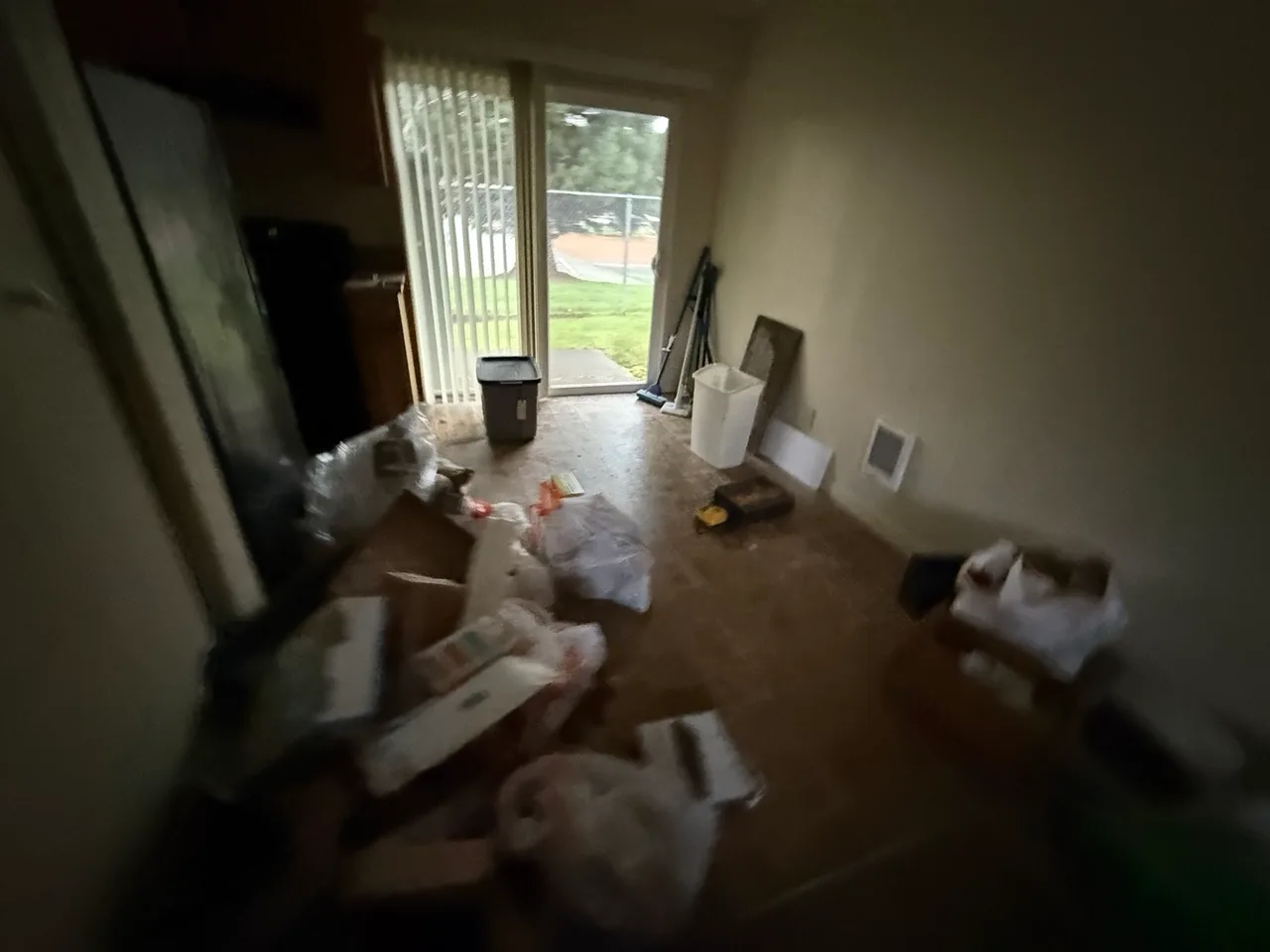
Bags, cardboard and household debris in a kitchen beside a sliding patio door
Kitchen and dining-area clutterBags, cardboard and loose household items in the kitchen and dining area.
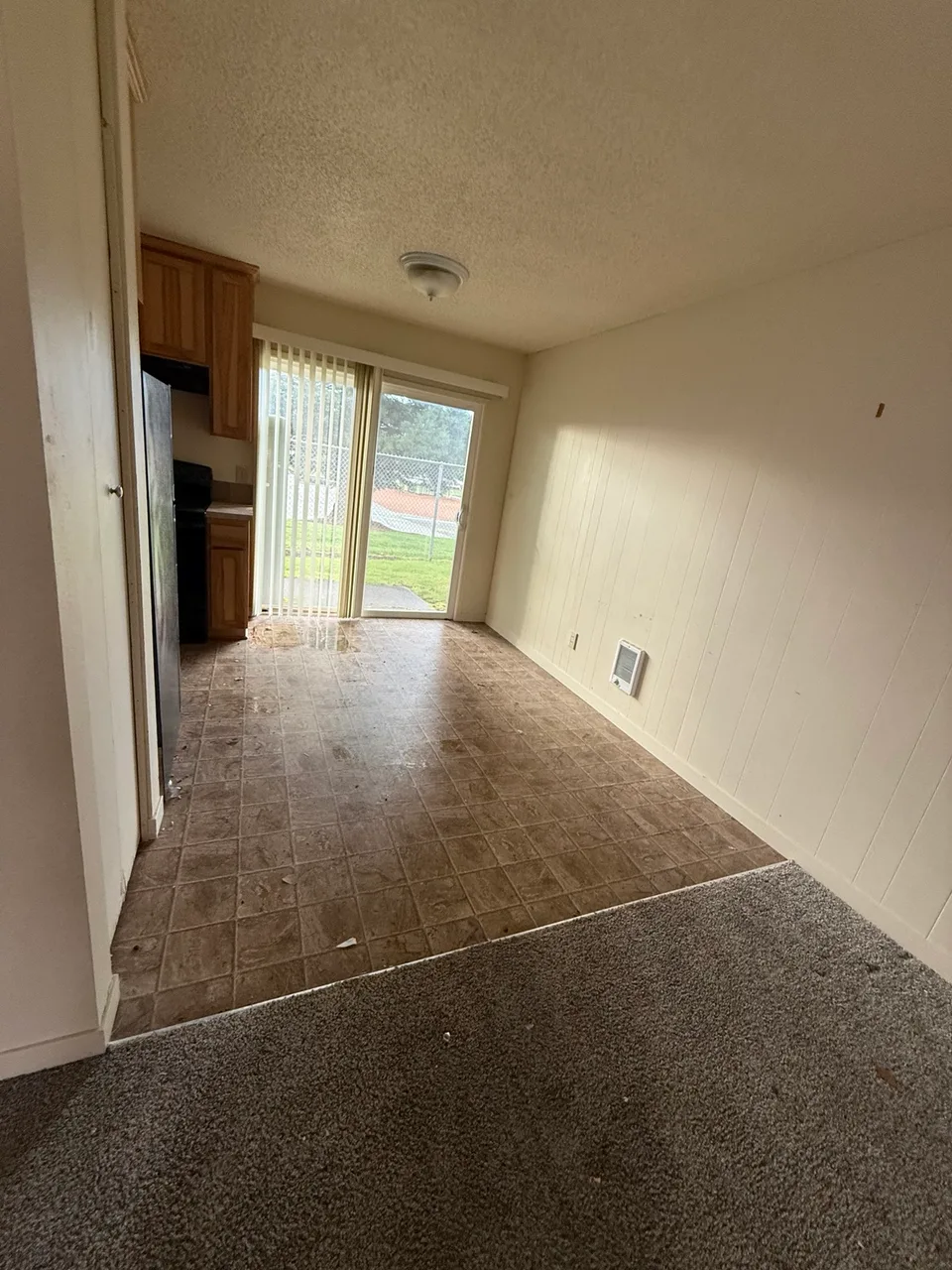
Cleared kitchen and dining area with cabinets and a sliding patio door
Kitchen and dining area clearedBulky contents removed, with cabinets and appliances left in place.

Step-by-step

A practical plan for the job.

  1. 1

    Keep authorization with the property representative

    The landlord or authorized representative must determine when possession, notice and any storage duties are complete and confirm which property may be removed. JunkPDX does not classify an item as abandoned or decide whether it can be discarded.

  2. 2

    Document the starting scope

    Photograph each room before work, then mark fixtures, keys, appliances or other property-owned items that remain. Include the garage, patio, balcony, storage cage, yard and assigned common-area items. For multiple units, use a numbered list so access, contents and completion are not mixed together.

  3. 3

    Coordinate access with the turnover team

    Provide keys, parking instructions, building rules and an authorized contact. Work backward from cleaning, repair or re-rental deadlines and avoid placing every vendor in the unit at once. The crew should have a clear way to request approval if onsite contents differ from the documented scope.

  4. 4

    Request the completion record in advance

    Ask for before-and-after or completion photos before service when the property file needs them, and specify useful invoice references. After loading, the authorized contact should check every listed area. A practical sweep can follow removal, while detailed cleaning, repairs and regulated remediation remain separate.

What affects cost

No truck-size guess required.

You don’t need to choose a truck size. Show us what goes. We’ll measure the load. Descriptions and photos help us plan, but are not a final quote. Household junk is priced by the space it takes up in our truck or trailer. Unusually heavy items, certain debris types, difficult access or special disposal may add charges. You approve the total before loading.

How Pricing Works

Common questions

Before you schedule.

Can you decide what can be thrown away?

No. The authorized property representative must make that decision.

Can you provide before-and-after photos?

Yes, when requested as part of the approved scope.

Can you service multiple units?

Yes. Each unit needs a clear scope and access plan.