JunkPDX local guide
Moving Between Homes: How to Pack for Temporary Housing
Moving between homes? Separate everyday essentials from stored belongings, pack for temporary housing and plan both moving days with a practical checklist.
By JunkPDX
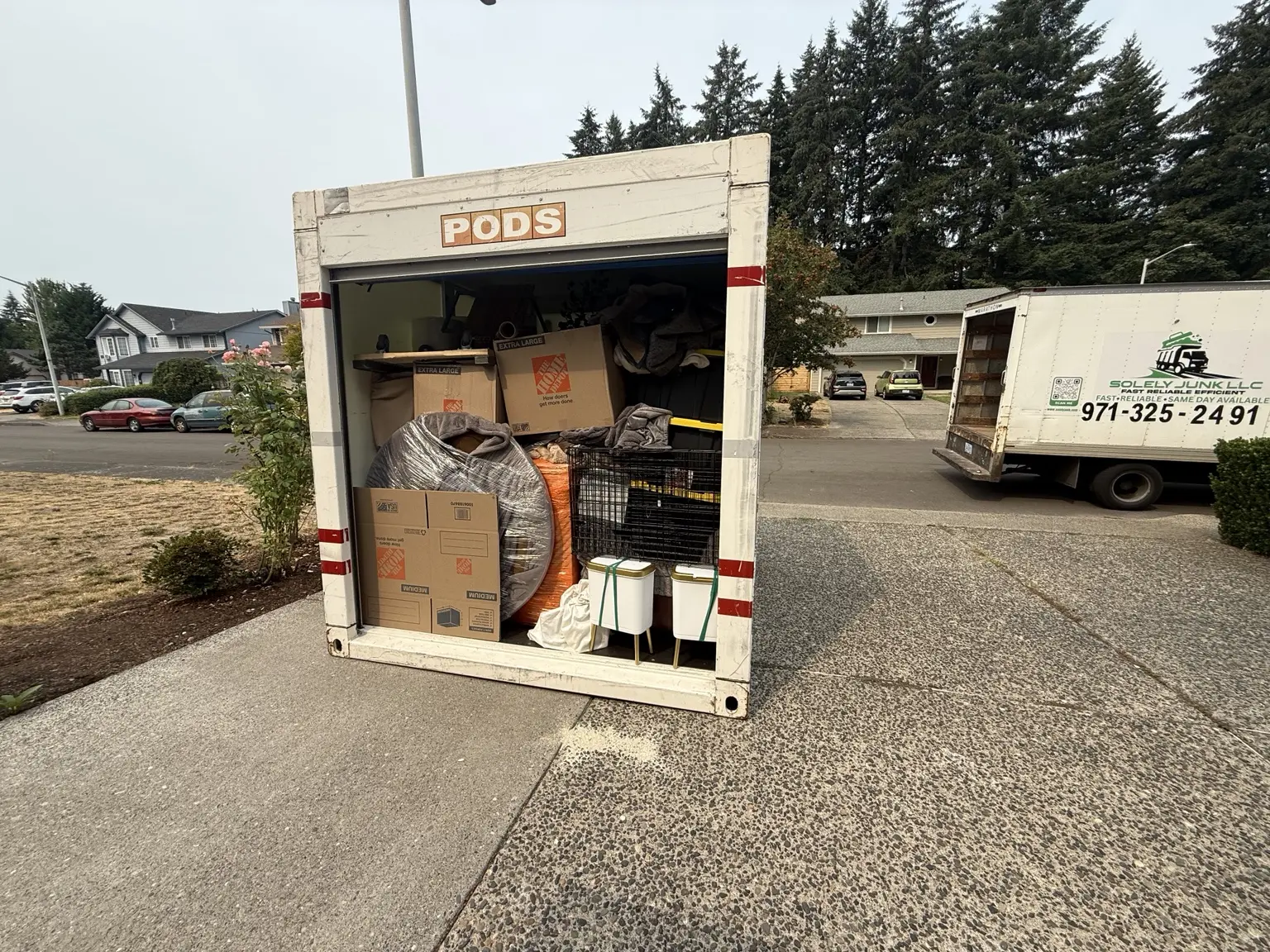
Plan for the gap between the two moves
Moving between homes can mean staying with family, renting a furnished apartment or living somewhere smaller while your next home becomes available. Packing everything as one household shipment makes that gap harder: the laptop charger you need tomorrow can end up behind furniture you will not use for weeks.
Write down your move-out date, temporary address and expected move-in date. If the final date is uncertain, choose a date to review the plan. Confirm what the temporary home provides, how much you can bring and whether you can receive deliveries there. Build your packing list around that actual setup.
Give every box a destination before sealing it
Use destination labels as well as room names. A box marked kitchen could belong in your temporary apartment or deep in storage. Add a simple box number and keep a matching inventory on your phone, with a copy available offline. Do not put gate codes or other private access details on boxes.
| Destination | What belongs there | Example label |
|---|---|---|
| Travel with you | Medication, documents, keys, devices and daily essentials | WITH ME — bag 1 |
| Temporary home | Clothes, work supplies and household items missing from the accommodation | TEMP HOME — box 2 |
| Accessible storage | Seasonal clothing or supplies you may need before the second move | STORAGE ACCESS — box 3 |
| Longer-term storage | Furniture and belongings you will use at the next home | NEXT HOME — box 4 |
Pack for an ordinary week in the temporary home
Think through a workday, a laundry day and a weekend. Include the shoes, chargers, toiletries and small routines that make those days work. For children or pets, keep familiar bedding and everyday supplies accessible. Check the available cooking and laundry facilities before deciding how much clothing or kitchen equipment to bring.
Keep your first-night bag separate from the rest of the temporary-home boxes. Pack bedding if needed, a change of clothes, towels and the items required for the next morning. For an uncertain stay, leave room to rotate seasonal clothing rather than bringing every season into a small space.
Arrange storage around the items you may retrieve
Photograph furniture and box labels before loading. Keep hardware in labeled bags with the matching furniture, and note any pieces that need assembly instructions. Check the facility's rules and the storage requirements of sensitive belongings before choosing where they go.
Place likely retrieval items where you can reach them without unloading the unit. Leave an access route where the unit layout allows, and avoid hiding frequently needed boxes behind large furniture. Record the unit number, access hours and account contact separately. A storage plan should still work if the temporary stay lasts longer than expected.
Decide what deserves a place in storage
Review bulky belongings before reserving space for them. Will the sofa fit the next home? Does the damaged shelf have a realistic repair plan? Selling, donating, recycling or keeping an item are separate decisions; confirm any collection arrangements before relying on them.
For unwanted bulky belongings in the Portland area, JunkPDX is one option to contact about a separate pickup. Keep that removal list apart from belongings you want moved. Storage holds retained items, movers transport them, and hauling addresses approved unwanted contents; one booking should not be assumed to cover all three.
Prepare for the second move before the first one ends
Keep one move folder with your inventory, storage details and confirmed arrangements. Update it when boxes change location. Before leaving the temporary home, check drawers, closets and chargers so the final move brings the household back together.
- Confirm access and loading arrangements at each address.
- Keep essentials and private documents with you.
- Photograph labels and update the box inventory.
- Review dates before renewing storage or extending the stay.
- Pack a fresh first-night bag for the next home.