JunkPDX local guide
Restaurant Equipment Clearance Without the Hassle
Restaurant equipment clearance made simple: remove heavy appliances, protect your space, and keep your Portland operation moving without delays on schedule.
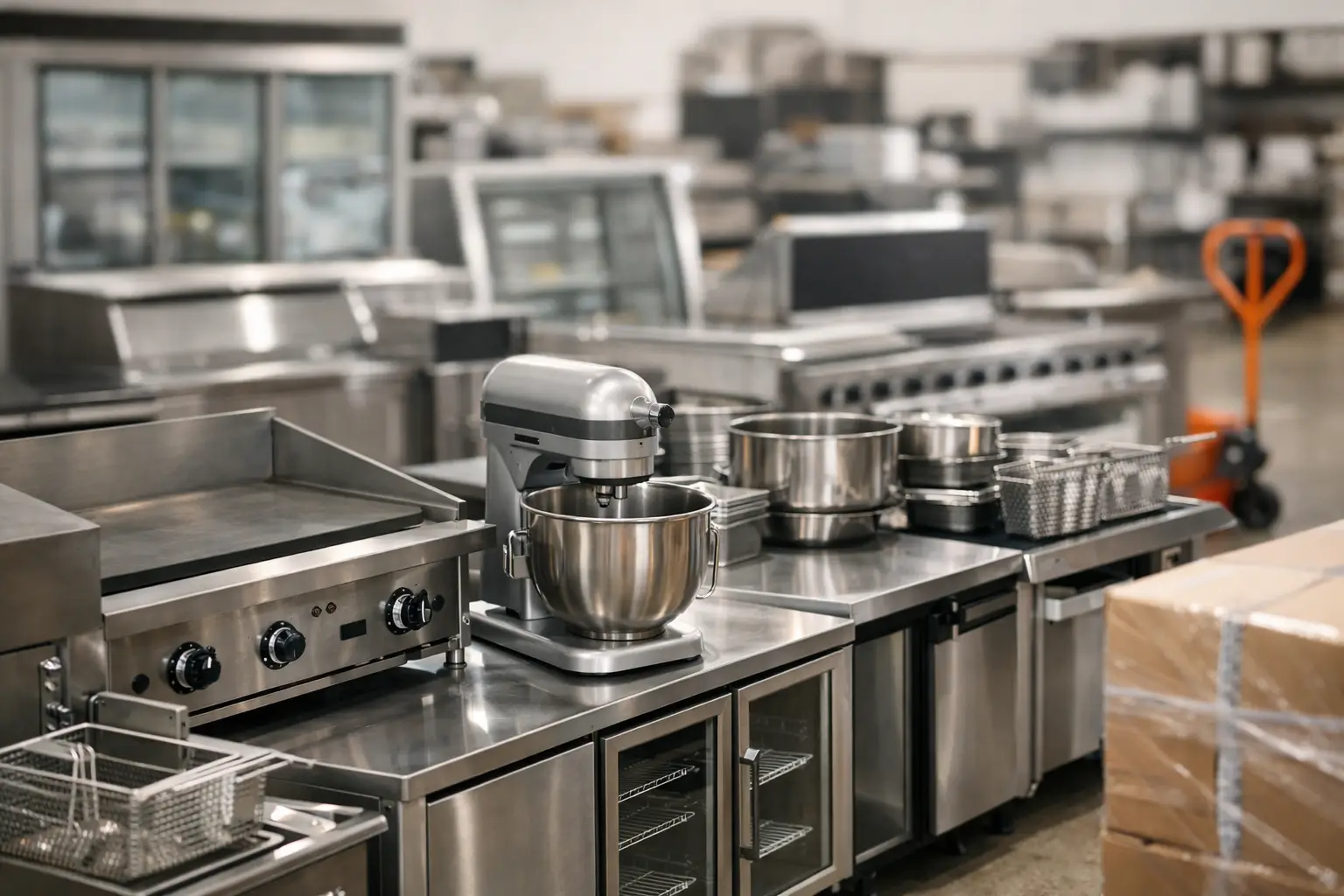
A closed kitchen can turn into a serious logistics problem fast. A walk-in cooler blocks the exit, stainless prep tables fill the dining room, and a heavy range is still connected where the next tenant needs to work. Restaurant equipment clearance is not just another cleanup job. It takes planning, safe lifting, clear access, and a crew that can keep the property moving toward its next use.
For restaurant owners, landlords, property managers, and contractors around Portland, the goal is usually simple: get the unwanted equipment out quickly, without damaging the space or leaving a mess behind. Whether you are closing a location, replacing old appliances, renovating a kitchen, or taking over a former restaurant, a professional removal plan can save a great deal of time and back strain.
When Restaurant Equipment Needs to Go
Most equipment removals happen under a deadline. A lease may be ending, a buyer may be waiting to take possession, or a contractor may need an empty kitchen before demolition begins. Waiting too long can create expensive bottlenecks, especially when large pieces are sitting in doorways, loading areas, or shared commercial spaces.
Common items include commercial refrigerators and freezers, ovens, ranges, fryers, grills, prep tables, shelving, dishwashers, ice machines, exhaust hoods, sinks, booths, tables, chairs, smallwares, and storage racks. Even equipment that looks manageable can be awkward, extremely heavy, or difficult to move through a narrow kitchen layout.
There is also a difference between removing one old appliance and clearing an entire restaurant. A single damaged ice machine may be a straightforward pickup. A full-service kitchen clear-out can involve coordinating access, clearing multiple rooms, protecting floors and walls, and hauling away a mixed load of metal, furniture, packaging, and general debris.
What Makes Commercial Kitchen Removal Different
Commercial kitchen equipment is built to last, which often means it is built heavy. Stainless steel worktables, commercial ovens, refrigeration units, and dish machines can weigh hundreds of pounds. Trying to move them with a borrowed dolly and a few coworkers can lead to damaged tile, dented doorframes, injuries, or a job that stalls halfway through.
Connections matter, too. Gas lines, water lines, electrical hookups, grease traps, hood systems, and refrigeration components should be properly disconnected before removal. A junk removal crew can haul equipment once it is ready, but licensed trade professionals may be needed to safely disconnect certain units. This is especially true for equipment that contains refrigerant or remains tied into building systems.
Access is another factor. Many restaurants are located in busy retail centers, older buildings, downtown storefronts, or mixed-use properties where elevators, stairwells, alley access, and loading rules can affect the job. A good clearance plan accounts for where the truck can park, how equipment will travel out, and what needs protection along the way.
A Better Plan for Restaurant Equipment Clearance
The cleanest clear-outs start before anyone lifts a thing. Walk through the space and identify what stays, what goes, and what needs to be handled by another contractor first. If a new tenant or kitchen installer is involved, confirm the schedule so equipment removal does not interfere with incoming deliveries or construction work.
For a smoother pickup day, prepare these details ahead of time:
- Separate equipment that will stay from items approved for removal.
- Have gas, water, electrical, and refrigeration connections disconnected as needed.
- Remove food, chemicals, oil, and personal items from appliances and storage areas.
- Let the crew know about stairs, tight hallways, elevator access, loading docks, or parking restrictions.
You do not need to disassemble everything yourself. In fact, forcing apart a heavy unit without the right tools can create more work. The important part is making sure the equipment is safe to move and that everyone agrees on which items are leaving.
Written on-site estimates are especially helpful for commercial cleanouts because every load is different. A restaurant with several stainless tables and a few chairs will price differently from one with a walk-in cooler, hood components, multiple refrigeration units, and a dining room full of furniture. Straightforward, load-based pricing gives you a clear number before the work begins, with no guessing about what the final bill may look like.
Recycle, Donate, Rehome, or Haul Away?
Not every piece of restaurant equipment belongs in the landfill. Usable tables, shelving, chairs, and certain working appliances may have a second life with another business, nonprofit, community kitchen, or buyer. Metals such as stainless steel can often be recycled, while cardboard, packaging, and clean materials may be handled separately when practical.
That said, reuse depends on condition, cleanliness, age, and local demand. A working prep table may be worth rehoming. A rusted fryer with damaged controls may not be. Refrigeration equipment also requires special consideration because of refrigerants and other components. The right decision is not always the one that sounds best on paper - it is the one that safely clears the space while keeping reusable materials out of the waste stream whenever possible.
JunkPDX approaches commercial removal with that practical mindset. The crew handles the heavy lifting, hauls away approved items, and looks for responsible disposal, recycling, donation, or repurposing opportunities based on what the material and condition allow.
Clearing a Restaurant for a New Tenant or Remodel
Landlords and property managers often need more than appliance removal. A former restaurant can leave behind shelving, damaged furniture, old signage, storage room contents, broken equipment, construction debris, and piles of supplies that no one claimed after move-out. When that material remains, it delays cleaning, inspections, repairs, and leasing.
A full clear-out helps create a clean handoff. Once large items are removed, contractors can see the actual condition of floors, walls, plumbing areas, and electrical access. Property teams can assess what needs repair without navigating around abandoned equipment. New tenants can plan their build-out based on a space that is actually empty.
Timing matters here. If you are managing a turnover, schedule removal before cleaners, painters, or installers arrive whenever possible. Crews can work around active projects, but an empty room is safer and faster for everyone. For retail-center locations, it also helps to coordinate with the property manager about truck access, acceptable work hours, and where equipment can be staged during removal.
How to Choose a Removal Crew
Restaurant equipment is not the place for vague pricing or no-show windows. Look for a local company that communicates clearly, provides an honest estimate on site, and has experience moving large commercial items. Licensed and insured service is another basic safeguard when the job involves valuable commercial property, tight access, or heavy equipment.
Ask how the crew handles labor, loading, cleanup, and disposal. You should know whether they will remove equipment from its location or expect it to be waiting at the curb. Full-service hauling means you point to the items, the crew does the lifting, and the area is left swept up and ready for what comes next.
Same-day availability can be valuable when a landlord has a surprise vacancy, a restaurant has an equipment failure, or a contractor needs a room opened up immediately. Still, larger clear-outs may need advance scheduling, especially when access must be coordinated with building management or equipment requires disconnection first. Fast service works best when the details are clear.
Keep the Next Step Moving
An old kitchen should not hold up a sale, remodel, lease turnover, or fresh start. With the right preparation and a dependable removal crew, even bulky restaurant equipment can be cleared without turning your staff into a moving team. Get the space safe, empty, and ready for the work ahead - then let the next chapter of the property begin.