JunkPDX local guide
10 Best Ways to Reduce Landfill Waste Today
The best ways to reduce landfill waste at home or work, with practical steps for donating, recycling, reusing, and hauling out unwanted items responsibly.
By JunkPDX · Operated by Solely Junk LLC
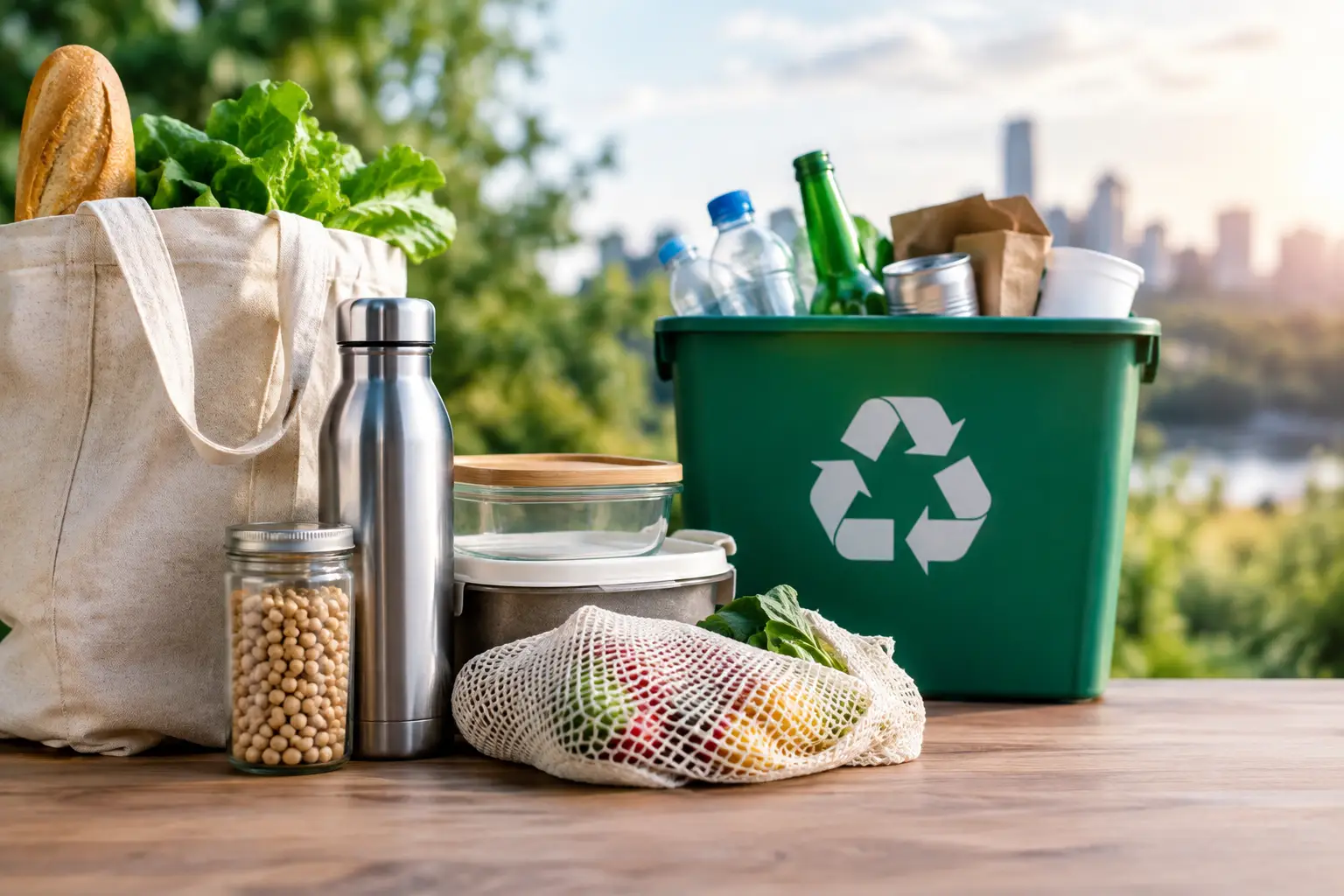
A garage cleanout can fill a truck faster than most people expect. Old furniture, broken appliances, cardboard, paint cans, bags of clothing, and renovation debris often get treated as one big pile. But the best ways to reduce landfill waste start before that pile ever reaches the curb or a transfer station.
For Portland-area homeowners, renters, landlords, and business owners, the goal is not to keep everything forever. It is to make a smart call on what can be used again, repaired, donated, recycled, composted, or hauled away through the right channel. A little sorting can keep usable materials in circulation and make a cleanout easier to manage.
The Best Ways to Reduce Landfill Waste Start Upstream
Landfill reduction is often framed as a recycling problem. Recycling matters, but it is not the first or only answer. The most effective approach is to create less waste in the first place, then give usable materials another job before treating them as trash.
That can be as simple as buying a replacement part instead of replacing an entire item, choosing refillable products, or passing along furniture that no longer fits your space. These choices are especially useful during moves, remodels, downsizing projects, and tenant turnovers, when people are under pressure to clear things out quickly.
Speed still matters. The key is setting aside a short sorting window before disposal rather than making every decision in the driveway with a full truck waiting.
Buy less disposable stuff when practical
Not every purchase needs to become a long-term research project. Still, disposable items add up quickly in homes, offices, restaurants, and job sites. Choose durable versions of products you use often, avoid oversized packaging when there is a reasonable alternative, and borrow or rent tools used once or twice a year.
For businesses, reusable shipping supplies, refillable cleaning products, and bulk purchasing can cut a surprising amount of waste. The right choice depends on storage space, sanitation requirements, and cost. A reusable option is not helpful if it breaks immediately or creates more work than your team can realistically handle.
Repair, maintain, and repurpose useful items
A loose chair leg, worn drawer slide, damaged screen, or tired appliance may need a small repair rather than replacement. Regular maintenance also extends the life of equipment that would be expensive and difficult to dispose of later.
Repurposing works best when there is a real use for the item. Glass jars can become storage containers, solid wood furniture can be refinished, and leftover building materials may work for a future repair. Avoid turning every questionable item into a future project, though. If you have not used it, repaired it, or assigned it a purpose after a reasonable amount of time, it may be time to pass it on or dispose of it responsibly.
Keep Good Items in Use Through Donation and Rehoming
Donation is one of the best ways to reduce landfill waste when an item is clean, safe, and still functional. Furniture, clothing, kitchenware, books, office supplies, working electronics, and usable building materials can often help someone else instead of taking up landfill space.
Before setting aside donation items, ask a simple question: Would you feel comfortable giving this to a neighbor? If the answer is no because it is stained, broken, unsafe, infested, or heavily worn, it likely is not a donation item. Sending unusable goods to a donation center creates extra labor and can still result in disposal.
A good donation pile is organized by category and kept dry. Include all pieces, hardware, cords, remotes, and manuals when possible. A complete, clean item is more likely to be accepted and reused.
For larger cleanouts, separate obvious donation candidates before a removal crew arrives. That does not mean you have to research every single item. It simply gives usable furniture and household goods a better chance of being routed appropriately.
Recycle the Materials That Actually Belong in Recycling
Recycling is valuable, but it works best when materials are clean, sorted correctly, and accepted by the local program. Tossing the wrong items into a recycling bin can contaminate a load and make processing harder.
Common household recyclables may include paper, cardboard, metal cans, glass containers, and certain plastic containers. Cardboard should be broken down, and food containers should be emptied and rinsed. Greasy pizza boxes, plastic bags, hoses, cords, and mixed-material packaging often require different handling or should stay out of curbside recycling.
Large or unusual items need more care. Appliances, scrap metal, mattresses, electronics, batteries, fluorescent bulbs, propane tanks, paint, and chemicals should not be treated like ordinary household trash. Some contain valuable recoverable materials. Others contain components that need special handling for safety and environmental reasons.
Handle e-waste and hazardous materials separately
Electronics are a regular source of cleanout confusion. Old computers, TVs, printers, monitors, cables, phones, and small appliances should be separated from general junk. Before giving up a computer or phone, remove personal data and sign out of accounts.
Paint, fuels, solvents, pesticides, batteries, and other hazardous materials also require designated disposal options. Never mix chemicals, pour them down a drain, or leave them in an unlabeled container. If you are clearing a garage, shed, rental unit, or commercial space, identify these items early. They can affect what a junk removal crew can safely take and how the rest of the job is scheduled.
Compost Food and Yard Waste When You Can
Food scraps and yard debris are heavy, wet materials that take up a lot of room in the trash. For many homes and businesses, composting is one of the most practical ways to keep organic waste out of landfills.
At home, that may mean using available curbside compost service or maintaining a backyard compost setup for appropriate food scraps and plant material. In a commercial setting, clear signs and easy-to-reach collection bins make a difference. Employees and tenants are far more likely to sort correctly when the process is simple.
Yard cleanup deserves the same attention. Branches, leaves, grass clippings, and untreated wood may have composting, mulching, or recycling options depending on local requirements. Pressure-treated wood, painted wood, and construction debris need separate consideration because they may not be accepted with clean yard waste.
Plan Cleaner Moves, Renovations, and Property Turnovers
Big projects produce waste because decisions happen fast. A move creates duplicate household goods. A renovation creates packaging, lumber offcuts, flooring, fixtures, and old cabinets. A rental turnover can leave behind furniture, mattresses, bags of clothes, and piles of mixed trash.
The best defense is a simple staging area. Set up separate zones for donation, recycling, hazardous materials, and trash before you begin clearing rooms. Labeling the zones prevents the usable items from getting mixed into a disposal pile when the pace picks up.
For construction and remodeling projects, order materials carefully and protect them from weather damage. Measure twice before cutting. Save clean scrap lumber, unopened materials, and reusable fixtures when they have a realistic next use. At the same time, do not let a job site become a storage yard for scraps no one will use. Responsible disposal is still better than shifting clutter from one property to another.
Use a Professional Removal Crew for the Final Sort and Haul
There comes a point when the time, lifting, vehicle space, and disposal logistics outweigh the benefit of handling a cleanout alone. That is especially true with bulky furniture, estate cleanouts, office closures, warehouse clearing, and multifamily turnovers.
A professional junk removal crew can remove the physical burden while helping keep materials out of the landfill whenever practical. Ask how the company handles donations, recyclable materials, e-waste, appliances, and mixed loads. Honest answers matter because not every item can be donated or recycled, and responsible service means being clear about that.
JunkPDX helps Portland-area customers clear unwanted items without the heavy lifting or guesswork. You point out what needs to go, receive a straightforward on-site estimate, and the crew handles the loading and haul-away. Usable items and recoverable materials can be separated when conditions and local facilities allow.
Make Landfill Reduction a Routine, Not a Once-a-Year Project
The easiest way to prevent a major junk pile is to make small decisions before clutter builds up. Keep a donation box in a closet, flatten cardboard as it comes in, collect batteries in a safe container, and schedule regular cleanouts for storage areas, offices, and rental properties.
When a larger project does arrive, do not let the pressure to finish quickly force everything into the trash. Set aside what can be used again, handle specialty materials safely, and bring in help when the load is more than you should have to manage alone. A cleaner property and a lighter landfill can start with the same next step.