JunkPDX local guide
How to Dispose Appliances Responsibly at Home
Learn how to dispose appliances responsibly with practical reuse, recycling, pickup, and safety steps for Portland-area homes and businesses. Made simple.
By JunkPDX · Operated by Solely Junk LLC
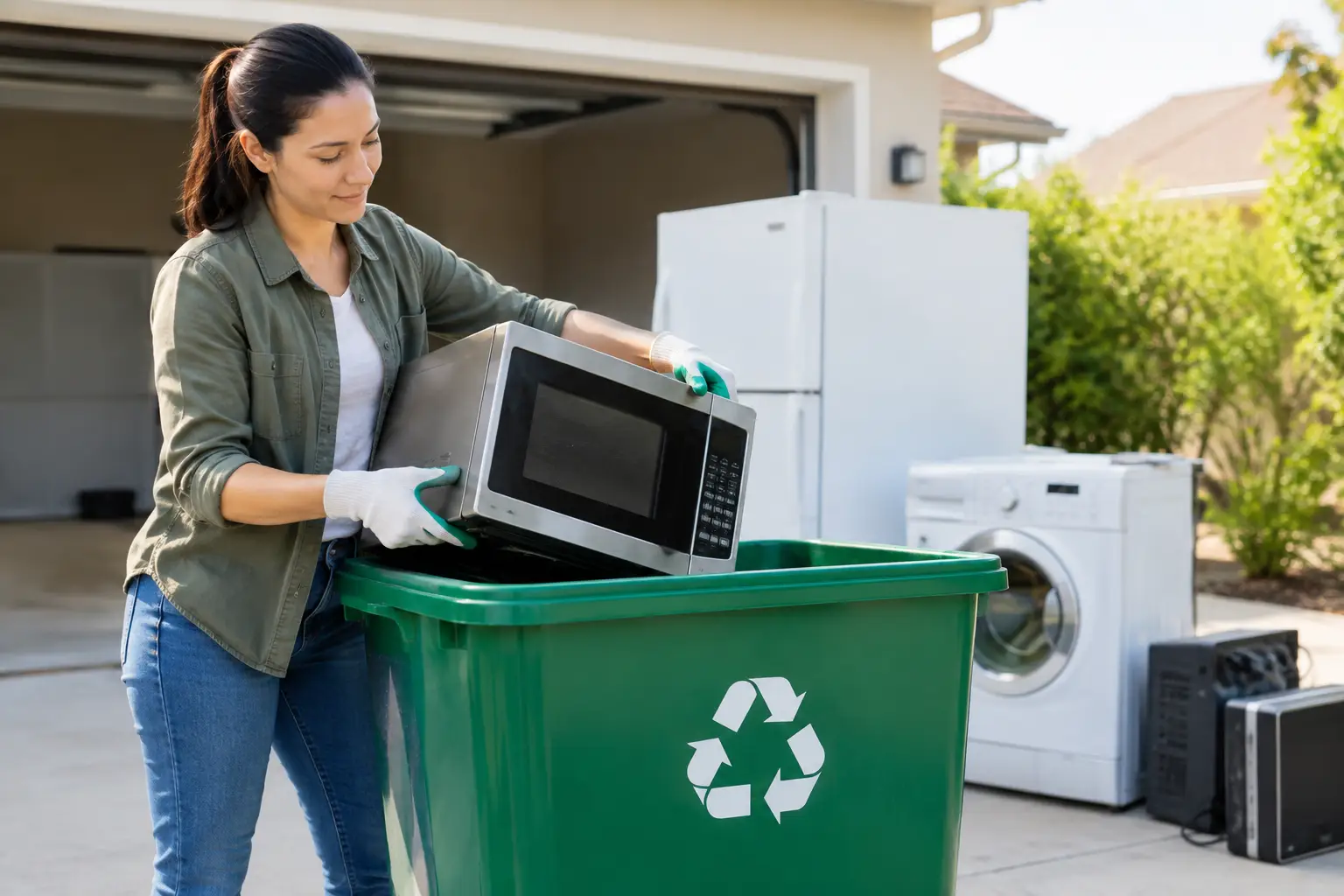
That old refrigerator in the garage is not just taking up floor space. It may contain refrigerant, metal, wiring, and parts that should never be tossed out with regular trash. Knowing how to dispose appliances responsibly protects your property, keeps reusable materials in circulation, and saves you from a frustrating trip to a facility that will not accept what is in your truck.
For Portland-area homeowners, renters, landlords, and business owners, the right option depends on the appliance's condition, size, and components. A working washing machine has a different next step than a broken freezer. The goal is simple: reuse what still has life, recycle what can be recovered, and use a qualified removal service when hauling it yourself is more trouble than it is worth.
Start With the Appliance's Condition
Before arranging a pickup or loading anything into a vehicle, take an honest look at the appliance. Does it work safely? Is it clean enough to pass along? Is a small repair likely to make it useful again? A clear answer prevents good equipment from being treated like waste.
Working appliances may be suitable for donation, resale, or rehoming. A stove, dryer, dishwasher, or microwave that functions properly can be valuable to a neighbor, a local nonprofit, a repair shop, or someone furnishing a first apartment. Clean it thoroughly, remove personal items, and be upfront about its age and any known issues. Passing along a barely working appliance without disclosure only shifts the disposal problem to someone else.
If repair costs approach the price of a replacement, recycling is usually the more practical route. Appliances contain steel, copper, aluminum, plastic, and electronic components that can be separated and processed. Even when an appliance has no resale value, those materials often do.
How to Dispose Appliances Responsibly by Type
Not every appliance belongs in the same disposal stream. The biggest mistake people make is treating all bulky items as standard junk.
Refrigerators, Freezers, and Air Conditioners
Cooling appliances require extra care because they may contain refrigerant and compressor oil. These materials need proper recovery before the unit can be dismantled or recycled. Do not cut refrigerant lines, tip the appliance unnecessarily, or leave it outside where children can access it.
Some utility programs, retailers, recycling facilities, and professional haulers accept qualifying refrigerators and freezers. Availability changes, so confirm that the provider handles refrigerant recovery rather than simply moving the appliance elsewhere. For a commercial cooler, walk-in component, or restaurant refrigerator, professional removal is especially helpful because the equipment can be heavy, awkward, and subject to additional handling requirements.
Washers, Dryers, Ranges, and Dishwashers
These appliances are mostly metal, but safe disconnection matters. Shut off water supply valves before moving a washer or dishwasher, then drain hoses into a shallow pan or towel. Disconnect electric dryers and ranges from power. Gas dryers and gas ranges should be disconnected by a qualified professional, not pulled away from the wall and handled as a do-it-yourself project.
Once disconnected, these items are good candidates for scrap metal recycling or a full-service junk removal pickup. Their weight can turn a simple garage cleanout into a back injury or damaged doorway, particularly when stairs are involved.
Microwaves, TVs, and Small Electronics
Microwaves and electronic appliances should not go in curbside recycling bins. They contain wiring, circuit boards, and components that require specialized processing. TVs, computer monitors, printers, and similar equipment may also have materials that need separate handling.
Check whether the facility or removal provider accepts electronic waste before scheduling. Keeping e-waste separate from general household debris gives it a better chance of being recycled correctly.
Water Heaters and Other Large Equipment
A water heater may look like straightforward scrap, but it still needs to be fully drained and disconnected safely. The same goes for larger equipment such as commercial kitchen appliances, exercise machines with electronics, and built-in units removed during a remodel. If the item is tied to plumbing, gas, hardwiring, or a building system, handle the disconnection first and plan the removal second.
Keep Safety Ahead of Convenience
Responsible disposal starts before the appliance leaves the room. Empty food, water, detergent, grease, and debris from the unit. Secure loose doors, shelves, and cords so they do not swing or create a tripping hazard during transport.
For refrigerators and freezers, remove or secure doors if the unit will sit outside before pickup. An unsecured appliance door can create a serious safety risk for children and pets. If you are moving an appliance yourself, use a proper appliance dolly, straps, gloves, and at least two capable people. Protect floors and door frames with moving blankets or cardboard.
There is also a point where doing it yourself stops making sense. A second-floor laundry set, a heavy commercial copier, or an old freezer wedged into a basement is not a good weekend experiment. The cost of damaged walls, a strained back, or a rental truck may outweigh the savings quickly.
Choose the Right Disposal Route
There is no single best answer for every appliance. Use the route that matches the appliance and your situation.
If it works and is clean, donation or rehoming is often the best first choice. If it is broken but made largely of metal, a recycling facility or scrap processor may be appropriate. If it has refrigerant, hazardous components, or electronic parts, choose a provider equipped to process those materials correctly. If you have several items, limited time, or difficult access, full-service removal is usually the least stressful option.
For rental turnovers, estate cleanouts, remodels, and business closures, combining appliance removal with the rest of the unwanted items can save time. Instead of making separate trips for furniture, boxes, fixtures, and appliances, a crew can sort the load for donation, recycling, and proper disposal after it is removed from the property.
That is where a local hauling service earns its keep. JunkPDX can handle the heavy lifting, provide an honest on-site estimate, and help direct reusable and recyclable items to the appropriate next step. You point to what needs to go, and the crew handles the loading without leaving you to wrestle an old dryer down the stairs.
Avoid These Common Appliance Disposal Mistakes
A few shortcuts create most of the problems. Do not leave appliances at the curb unless your local collection program specifically accepts them. Do not put them in a regular dumpster without confirming the rules, especially if they contain refrigerant or electronics. Do not assume a donation center will take an appliance simply because it still turns on.
Also, avoid paying someone who cannot explain where the appliance is going. Responsible disposal involves more than getting an item off your property. Ask whether usable items are donated when possible, whether metal and e-waste are recycled, and whether cooling equipment receives proper refrigerant handling. Straight answers are a good sign that the job will be handled the right way.
Make Pickup Day Easier
A little preparation makes removal faster and safer. Clear a path from the appliance to the exit, move fragile items out of the way, and let the crew know about stairs, narrow halls, gates, or parking limitations. If the appliance is still connected, arrange for disconnection before the pickup window unless the service confirms it can assist.
For businesses and property managers, identify which items stay and which items go before the crew arrives. Labeling appliances during an office clear-out, restaurant refresh, or tenant turnover avoids costly confusion and keeps the job moving.
The responsible choice does not have to become another project on your calendar. Give each appliance the right next stop, keep safety in mind, and bring in experienced help when the load is too heavy, too complex, or simply not worth your time.