JunkPDX local guide
How to Recycle Old Appliances the Right Way
Compare appliance donation, recycling and paid removal in Portland. Check local disposal options, special handling and pickup preparation with JunkPDX.
By JunkPDX · Operated by Solely Junk LLC
Updated
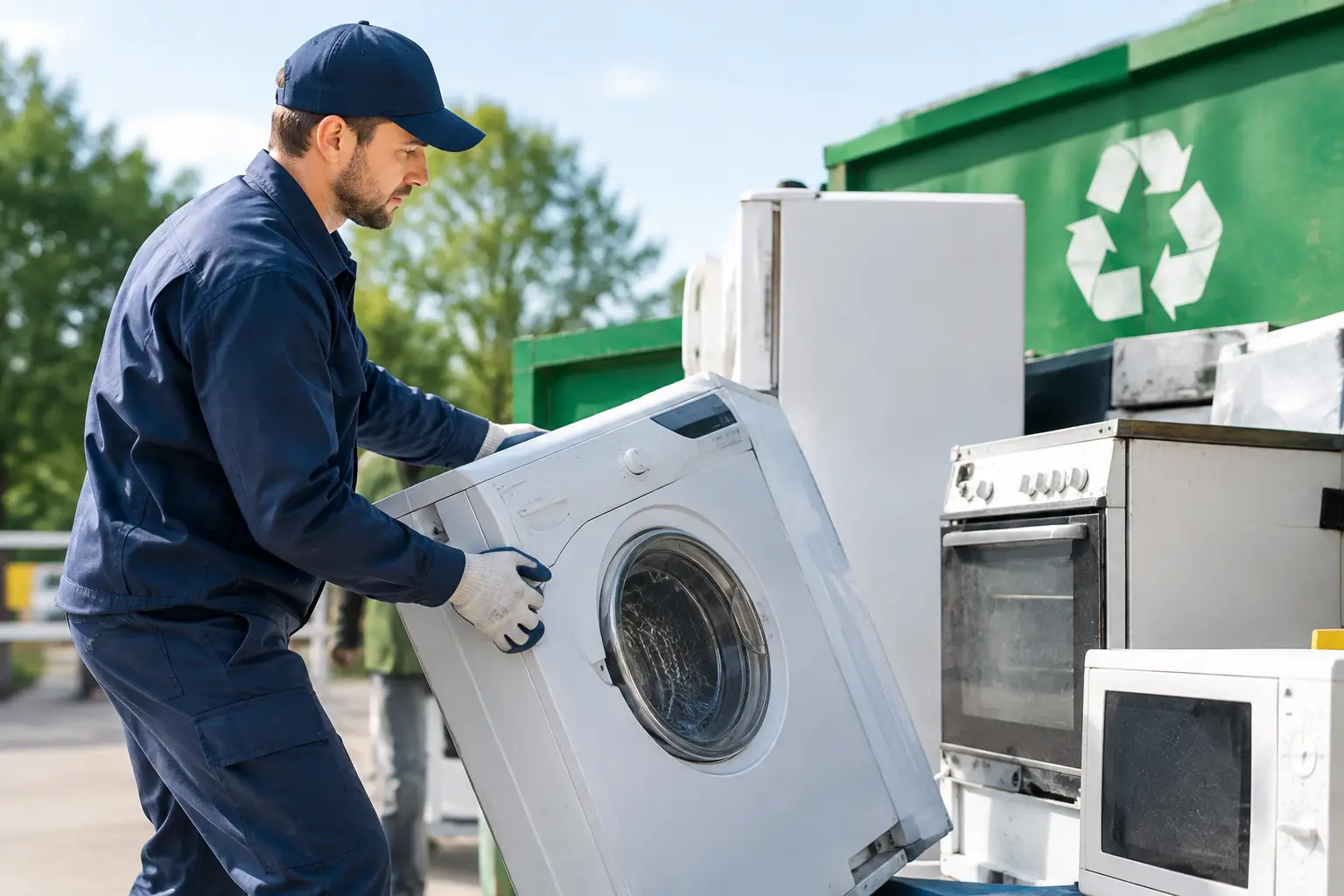
A broken refrigerator in the garage, an old dryer in the basement, or a range left behind after a tenant move-out can become a bigger job than expected. Knowing how to recycle old appliances helps you clear valuable space without risking injury, improper disposal, or an unnecessary trip to the landfill.
For Portland-area homeowners, landlords, and business owners, the right path depends on the appliance's condition, what it contains, and how much work you want to take on. Some units can be donated or sold. Others need specialized recycling because they contain refrigerants, electronics, or heavy materials. Here is how to make a responsible decision without turning appliance removal into a weekend project.
Start by Checking Whether the Appliance Still Works
Recycling is not always the first or best option. If an appliance is clean, complete, safe to use, and still operates reliably, it may be useful to someone else. A working washer, dryer, microwave, stove, or small refrigerator may be a good candidate for donation, resale, or rehoming.
Be realistic about condition. An appliance that technically turns on but leaks, has exposed wiring, smells of mildew, or needs an expensive repair is not a good donation item. Passing along a problem can create more work for the next person. In those cases, responsible recycling is usually the better call.
Before arranging removal, take a quick look for the make, model, and serial number. This information can help a recycler, utility program, repair professional, or junk removal crew identify what type of equipment they are handling.
Know Which Appliances Need Special Handling
Most major appliances contain recyclable metal, but not all of them can be handled the same way. Refrigerators, freezers, air conditioners, dehumidifiers, and some beverage coolers require extra care because they may contain refrigerant. That material needs to be recovered properly before the unit is processed.
Older appliances may also contain components that should not go into ordinary trash, including oils, capacitors, mercury switches, batteries, circuit boards, and electronic displays. This is particularly common with newer smart appliances, commercial kitchen equipment, and certain older models.
A reliable recycling provider will know how to separate steel, aluminum, copper, wiring, plastics, and electronic components. The trade-off is that specialized handling can affect the cost and timing of removal. It is still worth it. Improperly abandoned appliances can create environmental problems and may not be accepted by standard disposal facilities.
Prepare Appliances Before Recycling
A little preparation makes the pickup or drop-off process safer and faster. You do not need to dismantle a major appliance - in fact, taking one apart without the right tools can be dangerous. Focus on the simple steps that protect your home, your information, and the people moving the item.
Before recycling an appliance:
- Empty it completely, including food, filters, trays, and loose items.
- Unplug it and disconnect water, gas, or power according to the appliance type.
- Clean out spills, grease, and residue, especially from refrigerators, ovens, and dishwashers.
- Remove personal information from smart screens, connected accounts, or appliance apps.
- Make a clear path from the appliance to the exit so it can be removed safely.
For refrigerators and freezers, plan ahead. Defrost the unit, dry it thoroughly, and keep the doors secured during transport if you are moving it yourself. Never leave an unused refrigerator or freezer accessible outside with an unsecured door. It is a safety risk for children and animals.
Gas appliances deserve extra caution. If a range, dryer, water heater, or commercial appliance is connected to a gas line, have the line disconnected and capped by a qualified professional before removal. A junk removal crew can haul the appliance once it is safely disconnected, but gas-line work is a separate job.
How to Recycle Old Appliances in Portland
When deciding how to recycle old appliances, Portland residents generally have several practical routes. The best one comes down to the appliance, its condition, and whether you can transport it safely.
Donate or Rehome Working Units
If the appliance is in dependable working order, donation or rehoming can extend its life and keep a usable item in service. Clean the unit first and be honest about its age, condition, and any known issues. Many organizations have specific acceptance standards, and some do not take older refrigerators or large appliances due to repair costs and energy efficiency concerns.
This route can be worthwhile for a newer washer, dryer, range, or countertop appliance. It is less practical when pickup is difficult, the unit is on an upper floor, or the appliance has been sitting unused for years.
Use a Retailer or Utility Take-Back Program
If you are replacing an appliance, ask the retailer whether it offers haul-away for the old one. This is often the simplest option when delivery and installation are already scheduled. Some utility programs also offer incentives for turning in older, inefficient refrigerators or freezers, though program availability and eligibility can change.
Read the details before relying on a take-back program. There may be size limits, working-condition requirements, location restrictions, or a requirement that the unit be plugged in and operating at the time of pickup.
Take It to a Qualified Recycling Facility
A recycling facility may accept appliances for material recovery, especially units made primarily of metal. This can be a solid DIY option if you have a truck, a safe way to load the item, and time to verify acceptance rules ahead of time.
The difficult part is the logistics. Appliances are awkward, heavy, and easy to damage walls, stairs, flooring, and vehicles with. A standard refrigerator can weigh well over 150 pounds, while commercial equipment can be substantially heavier. If the trip requires lifting, stairs, tight corners, or more than one person, professional removal is usually the safer value.
Schedule Full-Service Appliance Removal
For many households and properties, full-service removal is the most straightforward choice. You point to the appliance, and the crew handles the lifting, loading, hauling, and responsible sorting. This is especially helpful during a move, renovation, estate cleanout, rental turnover, office clear-out, or restaurant equipment replacement.
JunkPDX provides appliance removal throughout the greater Portland area, including nearby communities such as Tigard, King City, and Vancouver. The crew can remove a single heavy appliance or clear multiple items at once, with an honest on-site estimate before the work begins. Usable items are considered for donation or rehoming when appropriate, while materials that can be recycled are directed away from the landfill whenever possible.
Do Not Put Appliances Out With Regular Trash
Leaving a major appliance at the curb may seem convenient, but regular garbage service often will not take it. Even where bulky-item collection is available, refrigeration appliances and units containing electronics can have special requirements.
Avoid dumping appliances near dumpsters, alleys, vacant lots, or shared commercial bins. Beyond the environmental issue, illegal dumping can lead to cleanup costs, property complaints, and fines. Property managers know this problem well: one abandoned refrigerator behind a multifamily building can quickly become a safety concern and an eyesore.
Small appliances are different, but they still deserve a second look. Toasters, blenders, coffee makers, fans, and vacuums may be accepted through electronics or metal recycling programs depending on the facility. If you are clearing a kitchen, garage, office, or rental unit, it is often more efficient to have the small items removed with the larger ones rather than making separate trips.
Think About Timing Before You Disconnect Anything
A common mistake is unplugging and moving an appliance before the replacement, pickup, or recycling plan is confirmed. That can leave you without refrigeration, laundry, cooking equipment, or a workable kitchen for longer than expected.
Schedule removal around delivery when possible. If you are handling a tenant turnover or commercial refresh, group appliances with furniture, mattresses, shelving, fixtures, or other unwanted items. One organized removal appointment is often easier than coordinating multiple disposal methods and hauling jobs.
For appliances that have been stored in a garage, shed, or basement, make sure the access path is clear before pickup day. Move vehicles, unlock gates, secure pets, and point out any narrow stairs or low-clearance areas. Good information upfront helps the job go smoothly and avoids surprises.
The right disposal choice should feel practical, not complicated. If an old appliance is taking up space and you do not want to risk your back, your vehicle, or your Saturday, arrange a professional pickup and let the heavy lifting be handled with care.
Portland appliance recycling and pickup options
Use the City's large household waste disposal guide to compare local options. It directs residents to Metro's recycling directory and information line for donation and drop-off choices. Microwaves and vacuums need a separate recycling destination; they do not belong in the blue recycling bin. Confirm acceptance with the receiving facility before transporting an appliance.
For lifting, loading and haul-away, review JunkPDX appliance removal in Portland. Send the appliance type, photos and access details, and tell us whether it is disconnected. Refrigerant appliances and other special handling can affect the price. We confirm the complete onsite estimate before loading. For an appliance included in a larger cleanup, see garage cleanouts or home cleanout planning.