JunkPDX local guide
7 Junk Removal Alternatives Worth Considering
Compare junk removal alternatives, from donation and recycling to dumpster rental, and choose the right cleanup option for your Portland-area project today.
By JunkPDX
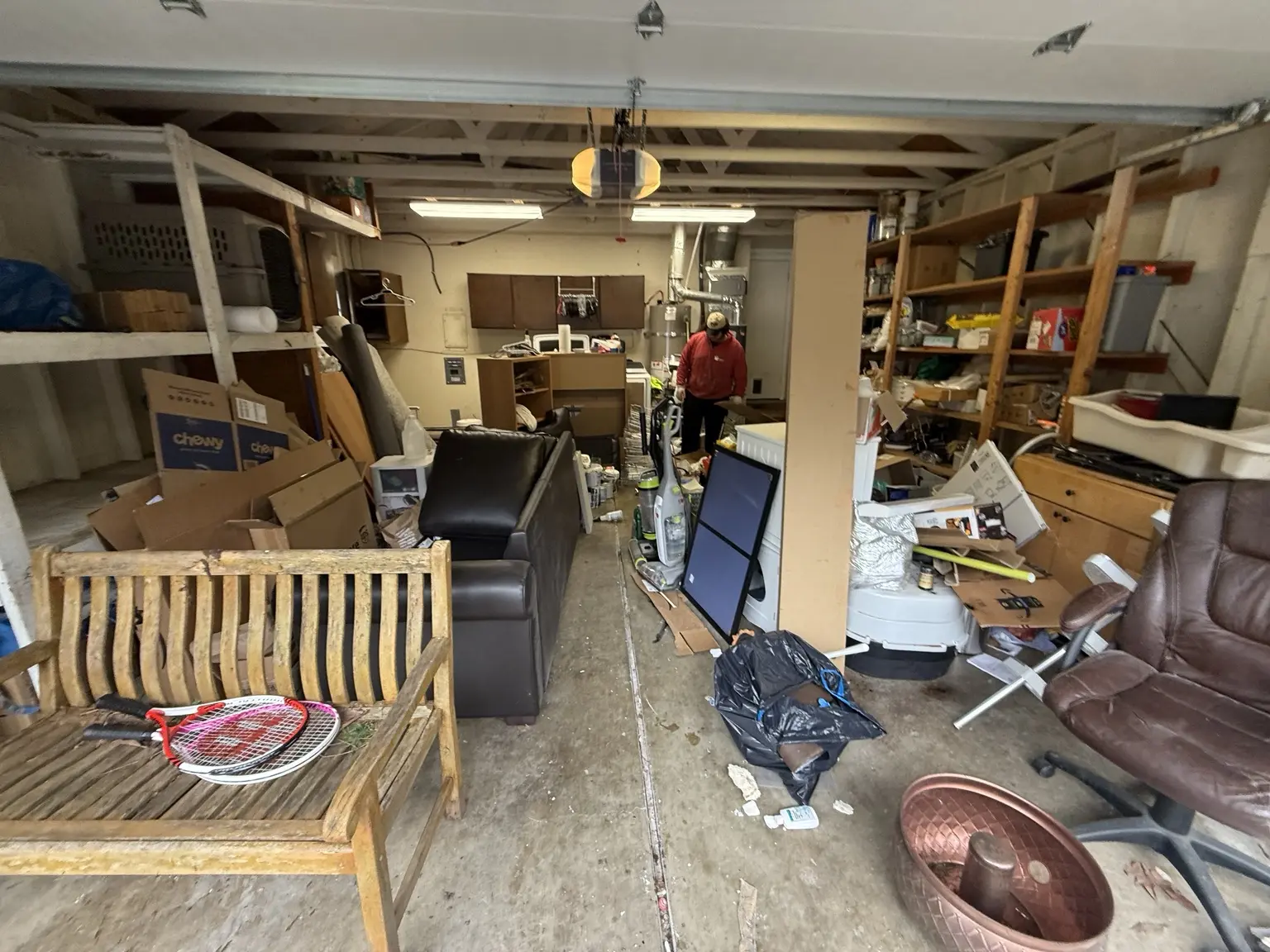
A garage full of old furniture, a rental turnover with abandoned belongings, or a renovation pile can create the same question fast: what is the easiest way to get this out of here? Junk removal alternatives can work well in the right situation, but the lowest-cost option on paper is not always the easiest, fastest, or most responsible choice once you factor in labor, vehicle space, disposal rules, and your time.
For Portland-area homeowners, landlords, and business owners, the right answer depends on what you have, how much of it there is, and how quickly the space needs to be clear.
When Junk Removal Alternatives Make Sense
Not every cleanup calls for a full-service crew. If you have a few small, usable items, time to sort them, and a vehicle that can safely haul them, handling part of the job yourself may be practical. The same goes for clean cardboard, yard debris, or materials accepted at a local recycling facility.
The trade-off is simple: DIY options usually require more coordination. You may need to lift heavy items, make multiple trips, find a donation center that accepts what you have, or wait for a scheduled collection day. For a time-sensitive move, estate cleanout, office clear-out, or tenant turnover, those extra steps can become expensive in their own way.
Before choosing a route, look at the whole job. A single sofa is different from a packed basement. A few boxes of clean donations are different from a mixed load of broken furniture, electronics, construction debris, and trash.
1. Donate Usable Items Directly
Donation is one of the best junk removal alternatives when your items are clean, safe, and still useful. Furniture in good condition, working appliances, household goods, clothing, books, and office supplies may have a second life with a local nonprofit, thrift store, shelter, or community organization.
Call before loading up. Donation policies vary, and many organizations cannot accept damaged upholstered furniture, mattresses, recalled items, large appliances, or anything with strong odors, stains, pests, or missing parts. Some locations offer pickup for certain larger donations, but availability can be limited and appointments may book out.
Donation works best when you can separate accepted items from the true junk before cleanup day. It is a good stewardship choice, but it is not a complete solution if the property also has heavy, broken, or non-donatable material.
2. Sell Items Locally
Selling can make sense for items with real resale value: newer appliances, quality wood furniture, tools, exercise equipment, collectibles, and usable business fixtures. Local marketplace apps and neighborhood groups can move these items quickly when they are priced fairly and photographed clearly.
Still, selling is not instant removal. You will need to answer messages, coordinate pickup times, deal with no-shows, and keep the item until someone follows through. If you are clearing a home before closing, turning a commercial space over, or preparing a rental for a new tenant, waiting for buyers can slow everything down.
A practical approach is to give valuable items a short window to sell. If they do not move by your deadline, donate them if possible or include them in the removal load. That keeps a cleanup from dragging on for weeks over a few dollars.
3. Use Recycling and Specialty Drop-Offs
Some materials should not go into the regular trash, and taking them to the right facility is often the responsible move. Electronics, batteries, paint, chemicals, scrap metal, tires, refrigerators, and fluorescent bulbs may require specialty handling. In the Portland metro area, rules and fees can vary by material and facility.
This route is a strong fit when you have a small, sorted load and know where it needs to go. It becomes less convenient when the job includes many different materials. A garage cleanout can easily involve old paint, cardboard, metal shelving, an outdated television, a broken mower, and general household debris. One trip can turn into several.
Be especially careful with hazardous materials. Do not place chemicals, fuels, propane cylinders, or unknown liquids in a general junk pile without checking how they need to be handled. Proper disposal protects your property, the crew handling the materials, and the local environment.
4. Schedule Municipal Bulk Pickup
Depending on where you live, your garbage provider or municipality may offer a bulky-item collection program. This can be useful for a mattress, couch, appliance, or a limited number of household items that are already at the curb.
The catch is that these programs often have restrictions. There may be item limits, advance scheduling requirements, service-area boundaries, preparation rules, and extra charges. Some providers will not take construction debris, commercial waste, electronics, or items left in an alley, garage, or upper floor.
Bulk pickup is usually a good choice when timing is flexible and the items are easy to place at the curb safely. It is less helpful when you need everything removed from inside a home, office, storage unit, warehouse, or multifamily property.
5. Rent a Dumpster
A dumpster rental can be a smart option for a long renovation, roofing project, landscaping project, or ongoing construction cleanup. It gives you a place to toss debris as the work happens instead of stacking it around the property.
For household cleanouts, though, a dumpster can bring more work than expected. You still do all the lifting and loading. You may need space for the container, permission from a property owner or HOA, and sometimes a permit if it will sit in the street. Weight limits and prohibited-item rules also matter. A low rental rate can rise if the container is overfilled or loaded with restricted materials.
Choose a dumpster when debris will be generated over several days or weeks and you have a crew ready to load it. For a one-day cleanup with bulky furniture or items spread throughout a building, full-service removal is often simpler.
6. Haul It Yourself
A pickup truck, trailer, or rental truck gives you control over the schedule. For a few items, self-hauling may be the most direct answer. It can work well for people who are comfortable lifting, securing loads, navigating disposal facilities, and making multiple trips if necessary.
The risks are worth considering. Heavy furniture can damage walls, floors, door frames, and backs. Improperly secured loads can create a road hazard. Rental trucks cost money, disposal sites may charge by weight or load type, and the job can take most of a day before you account for loading, driving, unloading, and cleanup.
If you choose this option, protect yourself and the property. Use gloves, closed-toe shoes, moving straps, blankets, and proper tie-downs. Do not try to move oversized appliances, safes, or heavy commercial equipment without enough trained help.
7. Choose Full-Service Removal for the Hard Parts
There is a reason many people move from alternatives to a professional crew once they see the size of the job. Full-service junk removal is not just a disposal option. It is labor, hauling, sorting, loading, and a clear finish line in one visit.
This is often the right fit when items are heavy, access is difficult, the deadline is tight, or the load is mixed. It is particularly useful for estate cleanouts, eviction and turnover work, office furniture removal, warehouse clearing, retail resets, and post-renovation debris. Instead of renting equipment, finding disposal sites, and asking friends to lift, you point out what goes and the crew handles the work.
A reputable local company should provide a written on-site estimate before work begins, explain what is included, and be clear about any materials that need special handling. Ask whether usable items are donated, repurposed, or recycled whenever possible rather than automatically sent to a landfill.
How to Choose the Right Option
Start with three questions: Is the item usable? Can you safely move it? How soon must the space be clear? Donation and resale are good choices for clean, valuable items when time is on your side. Recycling and specialty drop-offs work for small, sorted material. Dumpster rental makes sense for an active project with steady debris.
If the job involves stairs, heavy lifting, a packed property, a commercial deadline, or a mixed load that would take several trips to handle, professional removal is usually the more dependable route. The goal is not to choose the cheapest-looking option. It is to choose the option that gets the space clean without hidden costs, injuries, property damage, or days of disruption.
When the pile is standing between you and a move, a fresh turnover, or a usable workspace, give yourself permission to choose the option that actually gets it done. A local crew such as JunkPDX can provide a straightforward on-site quote, do the heavy lifting, and leave you with your space back.