Yard debris pickup preparation · Local guide

How to Prepare Yard Debris for Pickup: Branches, Leaves & Mixed Loads

Describe the pile and access before scheduling yard debris hauling in Portland metro, Vancouver or Woodburn. Ordinary pruning debris needs a different review from soil, root balls, large rounds or mixed trash. This checklist covers debris after the yard work is finished.

Before you plan the job

How should I prepare yard debris for pickup?

Separate ordinary green material from trash, soil and heavy wood where practical. Photograph the whole pile, show branch size and describe the loading route. Keep sidewalks and shared access clear. Leave heavy rounds or root balls in place for review, then approve the complete hauling scope and final onsite price before loading.

For your Portland-area project, review yard debris removal or call the local crew at (971) 325-2491.

By JunkPDX · Solely Junk LLC · Updated

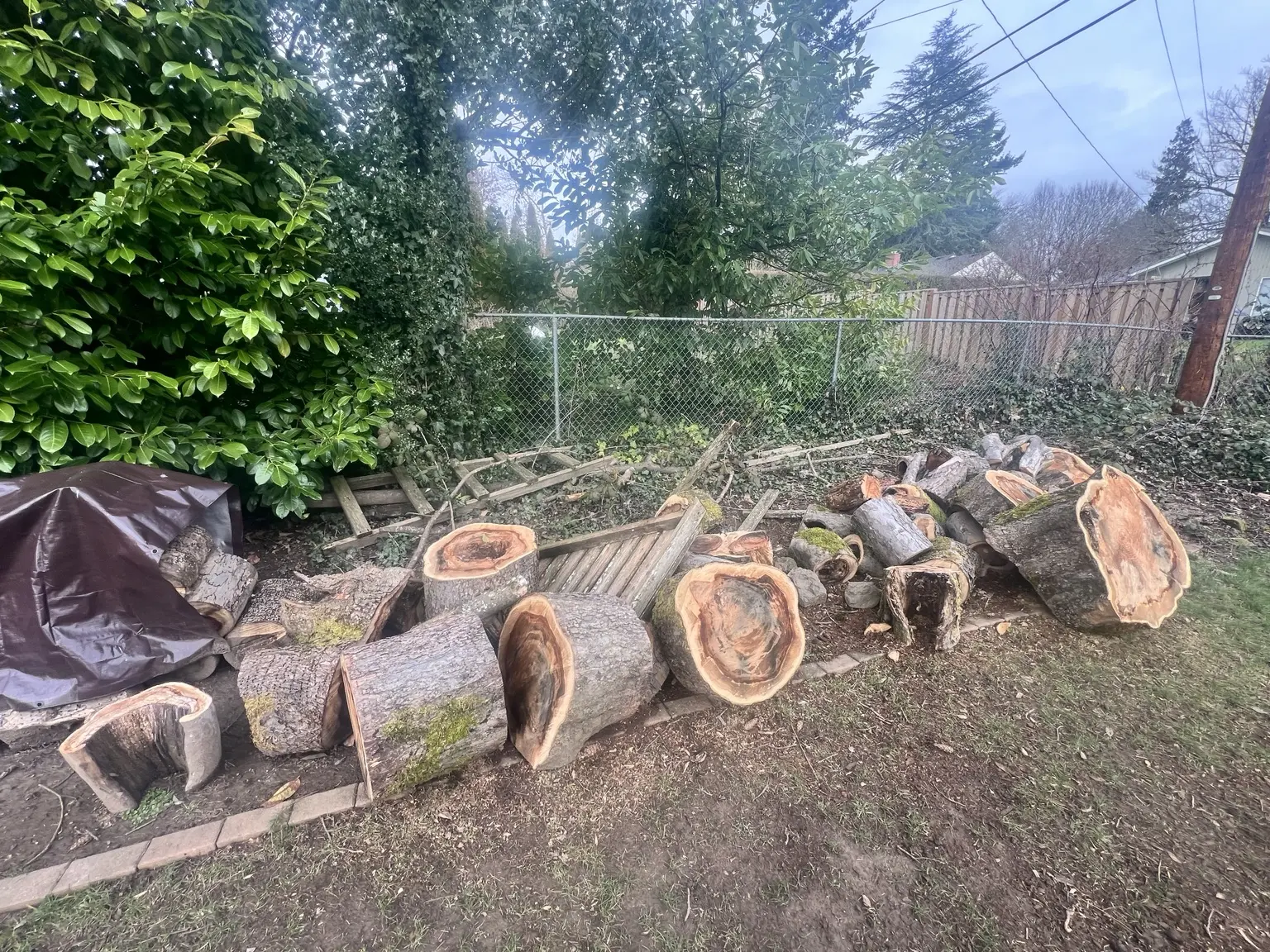
Cut tree rounds beside a fence and outdoor wood pile
Real work by the JunkPDX crew

Large tree rounds and mixed outdoor material need a different review from loose leaves and small branches. Photograph the largest pieces and the whole pile.

Yard debris pickup

See this project in our photo gallery

Step-by-step

A practical plan for the job.

  1. 1

    Name the materials before measuring the pile

    List leaves, grass, small branches and pruning debris separately from soil, sod, rocks, root balls, stumps or large wood rounds. Mention fencing, treated lumber, plastic pots and trash mixed into the pile. A green-looking surface does not tell the crew what is underneath or how much weight is involved.

  2. 2

    Separate green material from mixed debris

    Where practical and safe, keep plant debris apart from trash, metal, plastic and building materials. Do not bury chemicals or unknown containers in yard waste. If the pile cannot reasonably be separated, describe it as mixed material and send photos showing the contents.

  3. 3

    Show both pile size and branch size

    Take photos from two sides and include approximate length, width and height. Photograph representative branches or rounds with a familiar object nearby for scale. Describe hidden material. Leave oversized wood intact while the crew reviews handling and acceptance.

  4. 4

    Choose a reachable staging area

    Keep debris on your property without blocking sidewalks, drains, driveways or shared access. Show gates, steps, slopes and the distance to loading. Mention soft ground or areas the crew should avoid. Ask about bagging or bundling before changing the pile, especially when loose material is already accessible.

  5. 5

    Leave dense or heavy pieces for assessment

    Identify soil-filled pots, sod, root balls and large rounds individually. Wet leaves and dense material may weigh more than the pile suggests. Leave difficult pieces in their current location and explain the access. Ordinary yard hauling does not automatically include tree cutting, stump extraction, digging or equipment work.

  6. 6

    Update the scope before pickup

    Send updated pictures if more pruning happens after the first photos. At the free onsite estimate, approve the included piles, handling and final price before loading. Agree on the cleanup finish and check afterward; whole-yard raking and buried-root removal are separate tasks.

What affects cost

No truck-size guess required.

You don’t need to choose a truck size. Show us what goes. We’ll measure the load. Descriptions and photos help us plan, but are not a final quote. Household junk is priced by the space it takes up in our truck or trailer. Unusually heavy items, certain debris types, difficult access or special disposal may add charges. You approve the total before loading.

How Pricing Works

Common questions

Before you schedule.

What if I have hedge trimmings, three large rounds and two soil-filled pots?

Send a whole-pile photo, separate photos of the rounds and pots, approximate dimensions and the route to loading. Describe each material instead of calling everything yard waste. Leave the heavy pieces in place; the quote needs to account for their weight and handling as well as the lighter trimmings.

Should I bag all the leaves?

Ask before bagging. Show the loose leaves and explain where they are staged. The pickup plan depends on access, condition and the rest of the load. Do not make bags so heavy that they become difficult to handle.

Is tree work or stump removal included?

This guide covers detached debris. Standing tree work, cutting oversized pieces, stump extraction and digging require a separately agreed scope and appropriate provider.