Step-by-step
A practical plan for the job.
- 1
Get the replacement contractor's clearing requirements
Ask what must be gone before the contractor can inspect, deliver materials or start building. Identify the exact deck footprint, fence runs or shed area rather than using 'clear the yard' as the instruction. Find out whether the contractor expects posts, footings, a slab or another base to stay for review. Put that requirement beside the removal request. The hauling crew's practical cleanup does not by itself mean the site is ready for construction.
- 2
Separate contents, standing work and loose debris
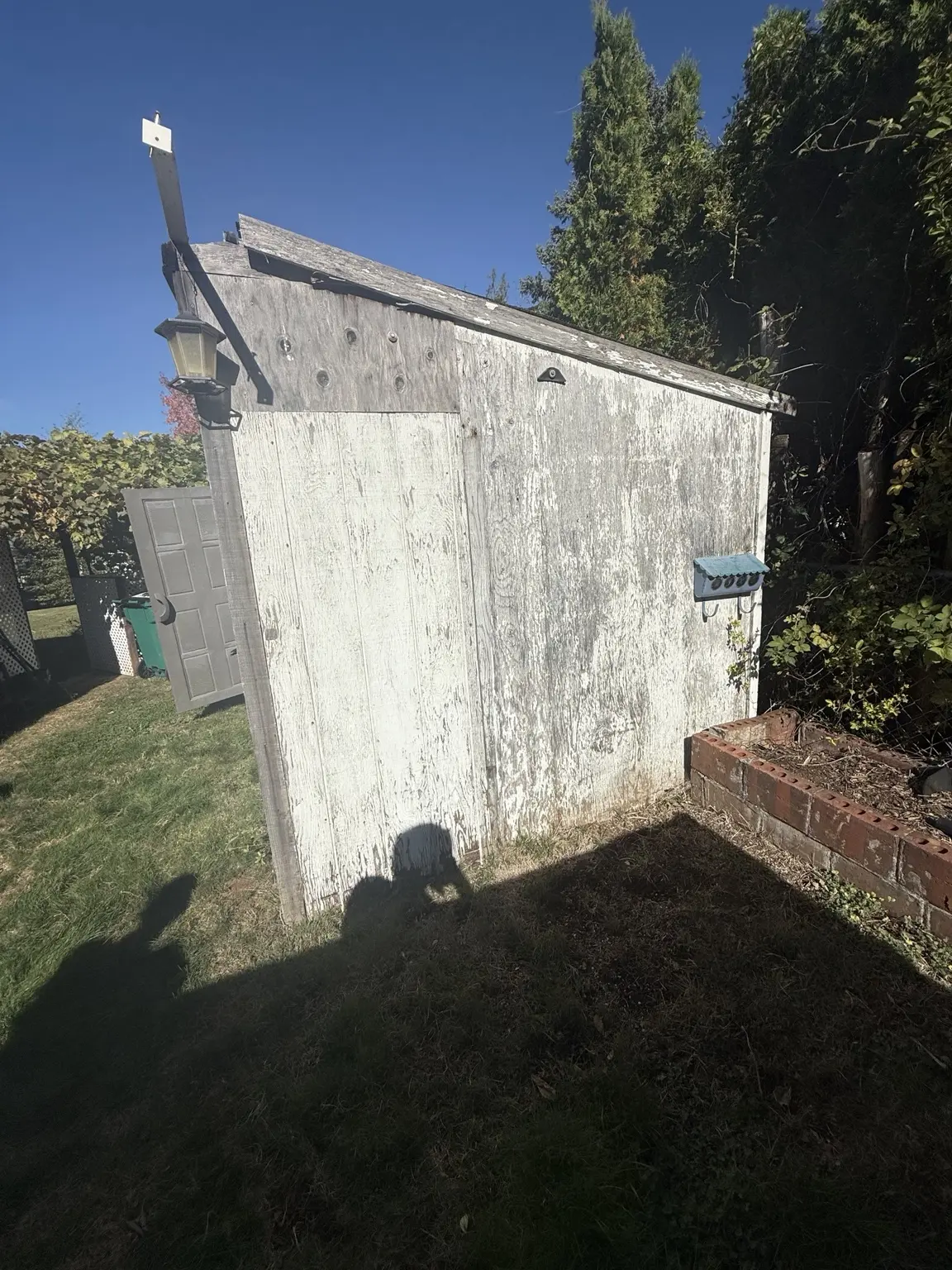
Make three lists: belongings inside or beside the structure, components still standing or attached, and material already detached. A shed full of tools needs contents decisions before any structure scope is approved. Deck boards piled at the driveway are a different hauling task from the deck still attached to the home. If your contractor is doing the dismantling, identify who handles each component and who is responsible for the resulting pile. Avoid leaving the same work in both quotes.
- 3
Mark retained features and unresolved supports
Show the removal endpoints, nearby structures, planting, gates and belongings that stay. Identify visible posts, concrete and fixed connections from accessible positions without disturbing them. Record each as remove after review, retain, or awaiting the replacement contractor's decision. For example, old fence panels may be approved to leave while the contractor decides about the posts. Concrete, buried supports, attached work and ground changes require individual assessment; do not assume they are included with surface boards.
- 4
Arrange preparation and access with the right people
Disclose electrical, water or other connections, equipment and unknown materials before planning removal. Any needed utility or specialist preparation is arranged separately and must be settled before the agreed work proceeds. Show gates, steps, slopes, soft ground and the route to legal truck loading. Settle permission for access across another property. If a fence or gate normally contains pets or controls entry, agree who handles the property's temporary access needs between removal and replacement.
- 5
Approve a removal quote with a specific handoff
During the free onsite removal estimate, review the included contents, approved dismantling, loading, disposal and practical cleanup. Confirm which supports and bases remain and how any changed condition will be reviewed. An example handoff might be: remove approved shed contents and assessed shed components, retain the slab, and leave the agreed carrying route clear. Removal is paid after you approve its scope and price. New construction, detailed cleaning, repairs and ground restoration are separately scoped work.
- 6
Confirm the sequence before booking the next crew around it
Share delivery and construction deadlines, then confirm the assessed removal schedule with JunkPDX and the handoff requirements with the replacement contractor. A review request does not confirm a teardown appointment or completion date. Avoid assuming an estimate visit ends when construction can start, or scheduling two crews in the same work area without agreement. After removal, compare the result with the approved list and have the replacement contractor confirm its next step. Broader project coordination needs a separately agreed scope.