Step-by-step
A practical plan for the job.
- 1
Choose what the first phase should make possible
Start with an outcome rather than a guessed number of truckloads. You may need access to stored tools, a room for belongings you keep, or a clear route for the next agreed removal area. On a rural property, clearing ordinary unwanted contents along an approved carry route may make later garage or outbuilding work easier to assess. Ask what the first visit should accomplish even if the rest of the property is unchanged.
- 2
Map the whole property without approving everything for removal
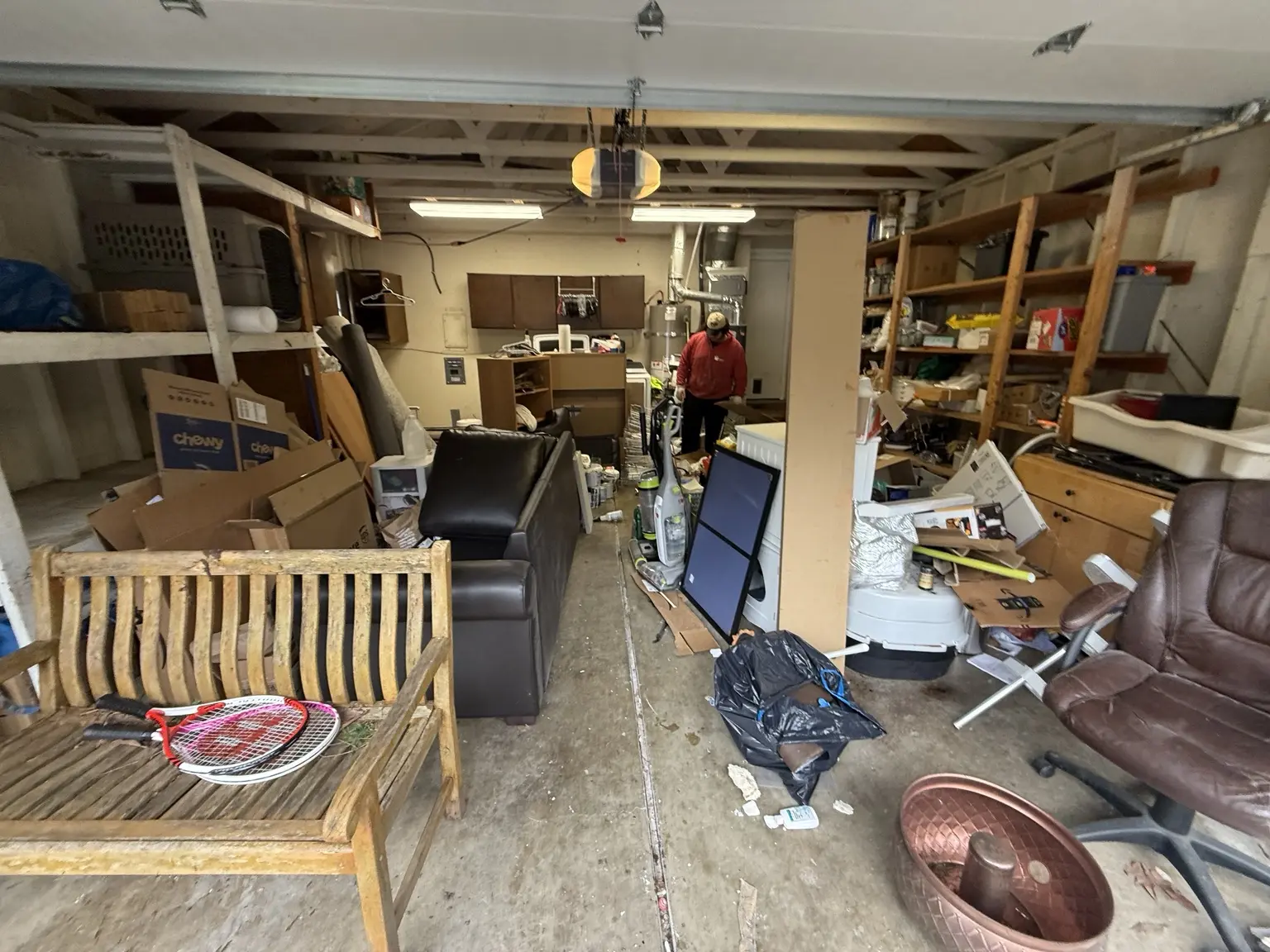
Give each area a simple name: house bedroom, attached garage, back shed or side-yard pile. For each, note the intended result, known contents, what stays, decisions still needed and the route to loading. Show the larger inventory at the walkthrough so dependencies are visible. A whole-property estimate conversation does not authorize the crew to clear every area. Identify unstable areas, liquids, equipment and unusual materials for separate review without disturbing them.
- 3
Give kept and undecided belongings a reliable boundary
Use visible item labels and an agreed protected area, rather than assuming the crew knows a family sorting system. Keep documents, keys, valuables and daily-use belongings out of the approved removal group. Name who can release items and set a decision date for family collections, buyers or donation requests. For example, the shed's broken chairs may leave while its toolboxes and unreviewed boxes stay. Moving retained belongings to reach junk needs its own discussion.
- 4
Define the first quote by items, areas and finish
Write a short phase list before approving work: the named area, exact approved contents, access, any reviewed disassembly and the condition expected afterward. Tell us your budget and priorities, then ask whether the proposed phase delivers the intended result. Removing the easiest items first may leave the actual obstruction in place. JunkPDX's onsite removal estimate is free; hauling is paid after you approve the scope and complete price. A smaller floor area does not necessarily mean a proportionally smaller bill.
- 5
Keep the property usable between visits
Agree which entry, walkway, storage area and essential belongings must remain available after the phase. Describe gates, pets, daily household use and any shared access. For a property near Canby, Woodburn or Wilsonville, show the actual approach and distance between buildings; do not assume the truck can reach every pile. Confirm return visits separately around decisions and access. JunkPDX operates Monday through Saturday and is closed Sundays; an estimate arrival window does not establish the project's completion time.
- 6
Close the phase before releasing the next one
Walk the agreed areas with the authorized contact, check that included contents left and retained items remain, and request completion photos in advance if needed. Record what is still undecided, what changed and the next useful result. For example, after reclaiming storage space in the garage, you may be ready to decide which house contents to retain there. Detailed cleaning, organizing, repair and broader vendor coordination are separate scopes. New items or extra visits need review before additional work starts.