JunkPDX local guide
Where Does Removed Junk Go After Pickup?
Where does removed junk go after pickup? Learn how usable items are donated, recyclables are sorted, and remaining materials are disposed of responsibly.
By JunkPDX
Updated
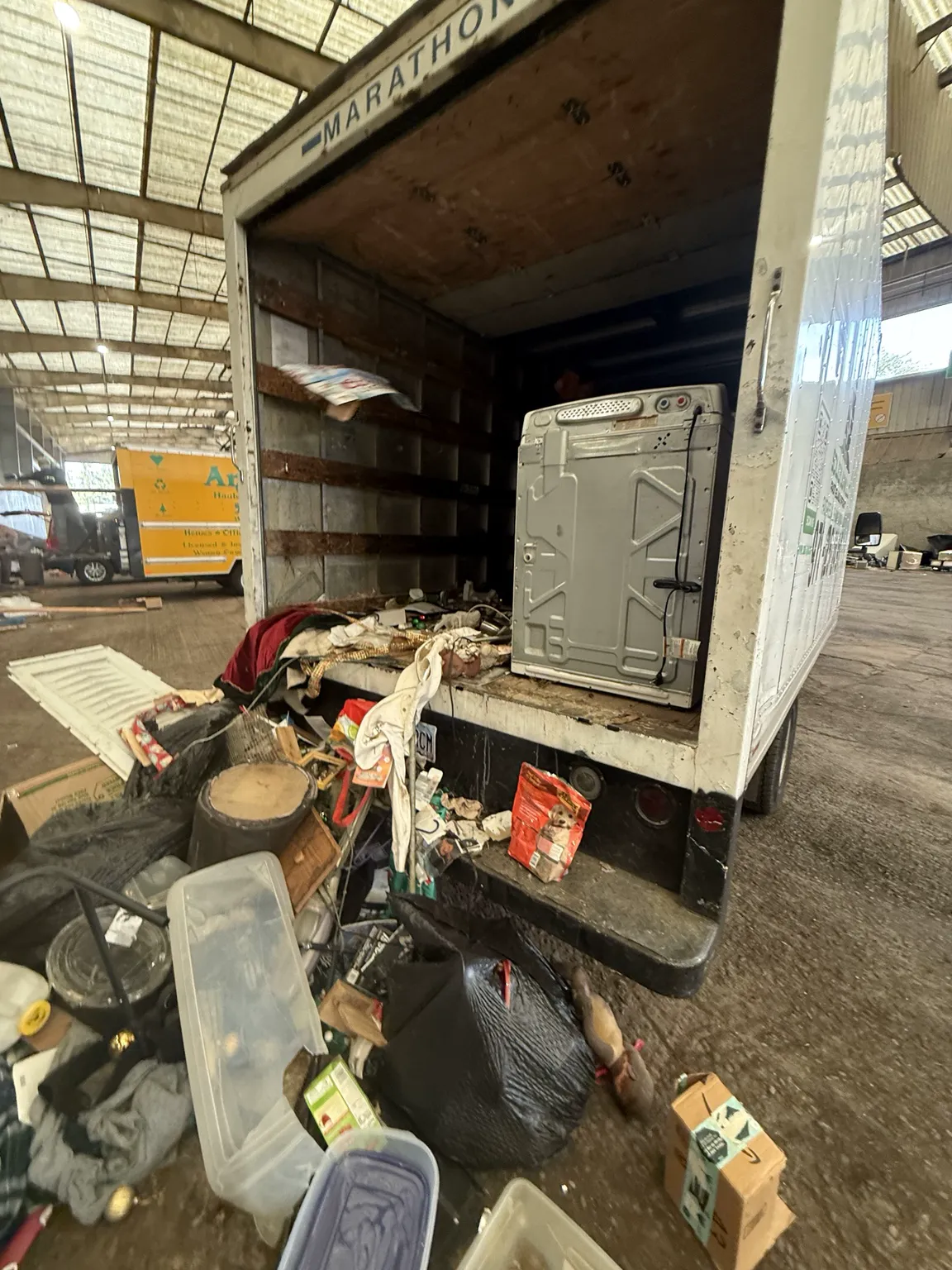
A garage cleanout, office move, rental turnover, or old furniture pickup usually ends with the same practical question: where does removed junk go once it leaves your property? It does not all follow one path. A responsible junk removal crew sorts each load based on what can be reused, recycled, donated, or needs final disposal.
That matters in the Portland area, where many customers want the job done quickly but do not want usable household goods, materials, and equipment treated like trash. The goal is straightforward: clear your space safely, then make the best reasonable disposal decision for the items removed.
Where Does Removed Junk Go After a Pickup?
The answer depends on the condition and type of material. A load from a home, apartment, office, warehouse, or job site often contains a mix of furniture, cardboard, metal, electronics, appliances, wood, mattresses, yard debris, and ordinary trash. Those items cannot always be handled the same way.
Usable items may be directed toward donation or reuse when they meet a receiving organization's current condition and safety standards. Clean furniture, working appliances, household goods, shelving, and office items may still have value for another household, nonprofit, reseller, or community member. Donation is never guaranteed because organizations have limited space and specific acceptance rules, but it is a preferred option when the item is in good, usable shape.
Materials with recycling value are separated when practical. Metal, cardboard, certain electronics, clean wood, and some appliances can often be routed to facilities equipped to process them. Recycling is not as simple as putting everything into one bin. A damaged couch with mixed fabric, foam, wood, and metal, for example, may be difficult or costly to break down. Clean, separated materials generally have a better chance of being recovered than heavily contaminated or mixed debris.
Items that cannot be accepted for reuse or recycling go to an appropriate disposal facility. Broken particleboard furniture, water-damaged belongings, contaminated materials and mixed trash may need that route. Mattress wear alone does not establish that recycling is unavailable: Oregon's Bye Bye Mattress program accepts eligible mattresses and box springs regardless of condition at participating collection sites. Check accepted-item and handling instructions before transport, and use our mattress recycling guide to compare free drop-off with paid home pickup. Responsible disposal should never mean careless dumping.
Donation and Rehoming Come First When They Make Sense
A sturdy dining table, a working refrigerator, or clean office chairs may be useful to someone else. When time, condition, and local acceptance guidelines line up, rehoming these items keeps them in use longer and reduces the amount of material heading to a disposal site.
There is a trade-off, though. Donation centers cannot accept every item, especially upholstered furniture with stains or odors, older electronics, damaged appliances, or items affected by pests, mold, smoke, or water. A dependable junk removal company should be honest about that rather than promising that every load will be donated.
Recycling Depends on the Material and Its Condition
Metal is one of the clearest examples. Old bed frames, filing cabinets, exercise equipment, grills, tools, and many appliances contain recyclable metal. Cardboard from a retail clear-out or office cleanup may also be recyclable when it is dry and free of food or other contamination.
Electronics deserve extra attention. Computers, monitors, printers, televisions, cables, and other e-waste should not be handled like ordinary curbside trash. These items can contain recoverable materials as well as components that require proper processing. The same is true for appliances that may contain refrigerants or other regulated parts. Sorting takes extra work, but it is part of doing the job the right way.
What Happens Before Junk Leaves Your Property?
The best disposal outcomes begin at the pickup. A professional crew looks at the items, confirms the scope of work, provides a clear on-site estimate, and plans the safest way to remove everything. At JunkPDX, the customer can point to what needs to go while the crew handles the lifting, loading, and cleanup.
During a large cleanout, crews commonly separate obvious recyclable materials from general debris as the job moves along. Keeping cardboard away from wet trash, metal apart from mixed household junk, and reusable items from damaged debris makes later sorting more realistic. It also helps keep the work area cleaner and the loading process more efficient.
For customers, it helps to mention unusual items before scheduling whenever possible. A piano, commercial refrigerator, large safe, construction debris pile, hot tub, oversized machinery, or electronics collection may require different equipment, staffing, or disposal planning. Clear information upfront leads to a more accurate estimate and fewer surprises on pickup day.
Some Items Need Special Handling
Not every item belongs in a standard junk load. Hazardous materials, chemicals, gasoline, paint, propane tanks, medical waste, asbestos-containing materials, and certain batteries may have separate handling requirements. Local rules and facility policies can change, so it is smart to ask about these items before the crew arrives.
This is one place where DIY hauling can become more complicated than expected. Even if you have a truck, you may need to make multiple stops, follow facility hours, unload heavy materials, and confirm what each location accepts. Full-service removal saves that time while giving you a clearer path for items that cannot simply go in the trash.
Why the Final Destination Matters
Most people call for junk removal because they need space back now. They may be preparing a home for sale, clearing an estate, turning a rental unit, replacing office furniture, renovating a restaurant, or getting a warehouse ready for new inventory. Fast service matters, but knowing your items are handled thoughtfully can make the process feel a lot better.
Responsible sorting also reflects respect for the community. Usable items have another chance to serve someone. Recoverable materials stay in the recycling stream when facilities can process them. Disposal sites receive the materials that truly have reached the end of their useful life.
Still, customers should be cautious about absolute claims. No company can honestly guarantee that every item avoids the landfill. Markets change, donation centers fill up, material conditions vary, and disposal facilities have their own rules. What you can expect from a trustworthy local crew is a practical effort to donate, recycle, repurpose, and dispose of items properly based on the load in front of them.
How You Can Help Keep More Items Out of the Trash
You do not need to organize every box before a junk removal appointment. That is why you hired a crew. But a few simple steps can help. Set aside personal documents, valuables, medication, and anything you intend to keep. If an item is working, clean, and especially suitable for donation, point it out to the crew.
For a move or property cleanout, try not to mix paint cans, chemicals, and other restricted materials into regular household debris. If you are unsure whether something needs special handling, ask before pickup. A quick conversation can prevent delays and help the crew plan the correct disposal route.
If your space needs to be cleared quickly, do not let uncertainty about where the junk goes keep you stuck. A good removal crew can take the heavy lifting off your hands, explain the pricing before work begins, and make thoughtful decisions about what comes next for the items you no longer need.